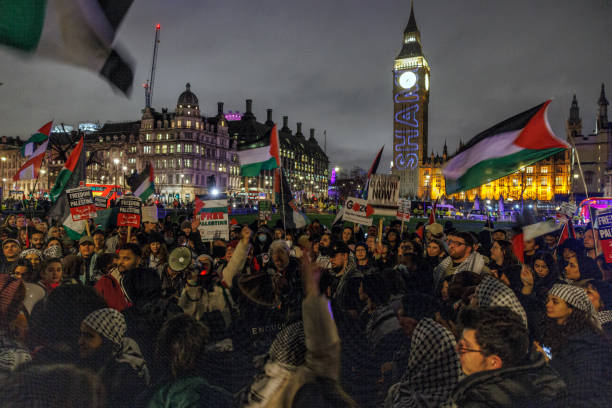
In a bold diplomatic move on June 11, 2025, the United Kingdom government announced sanctions against two prominent Israeli ministers, Itamar Ben-Gvir and Bezalel Smotrich, in response to their inflammatory rhetoric and policies linked to the ongoing Gaza conflict. This unprecedented step includes travel bans to the UK and asset freezes, marking a significant escalation in the UK’s stance on the Israel-Palestine crisis.
The targeted ministers are known for their hardline positions and nationalist views, which critics argue have exacerbated tensions and undermined prospects for peace in the region. Itamar Ben-Gvir, Israel’s Minister of National Security, and Bezalel Smotrich, Minister of Transportation and National Infrastructure, have been vocal supporters of aggressive military operations in Gaza and controversial settlement expansions in the occupied territories. Their rhetoric has been widely condemned internationally for inciting violence and fostering division.
UK Foreign Secretary James Henderson emphasized that the sanctions are a clear message against the promotion of extremist views that threaten regional stability. “The UK stands firmly against actions and rhetoric that hinder peace and violate human rights,” Henderson said during a press conference in London. “These measures are designed to hold accountable those who inflame conflict and obstruct diplomatic efforts.”
The sanctions package is part of a broader international trend, as multiple Western countries scrutinize Israel’s policies amid rising casualties and deteriorating humanitarian conditions in Gaza. The UK government’s move also reflects increasing domestic pressure from human rights groups and political activists urging more decisive action against what they call Israel’s violations of international law.
Israel’s government strongly condemned the sanctions, labeling them “unfair and politically motivated.” Israeli Prime Minister David Levy asserted that these measures undermine Israel’s right to defend itself against terrorist threats. “We remain committed to protecting our citizens and maintaining security,” Levy stated. “Attempts to delegitimize Israel’s government officials only embolden our enemies.”
The United Kingdom’s decision has sparked a vigorous debate within British politics and the international community. Supporters argue that targeted sanctions are necessary to signal that extremist policies and inflammatory rhetoric will not be tolerated, potentially paving the way for renewed peace negotiations. Opponents warn that such moves risk alienating Israel and complicating diplomatic relations, urging instead for increased dialogue and multilateral engagement.
Beyond the immediate political ramifications, the sanctions shed light on a broader shift in how Western governments are responding to the Israeli-Palestinian conflict. There is growing recognition that addressing the root causes of the conflict, including settlement activity and blockades, is essential to achieving lasting peace. The UK’s action may encourage other nations to adopt similar measures, signaling a tougher stance on issues related to human rights and accountability.
The humanitarian crisis in Gaza remains at the forefront of international concern. Over the past year, intensified hostilities have led to significant loss of civilian life, widespread destruction of infrastructure, and severe shortages of medical supplies and clean water. Sanctions targeting key Israeli officials are part of efforts to pressure for an end to the violence and greater access for humanitarian aid.
As this situation evolves, diplomatic efforts continue behind the scenes. The United Nations, European Union, and regional actors are pushing for ceasefire agreements and dialogue between the conflicting parties. The UK government maintains that sanctions are a tool to complement these efforts, not replace diplomacy.
Looking ahead, the impact of the UK’s sanctions on both Israeli domestic politics and international diplomacy will be closely monitored. Questions remain about whether such punitive measures can effectively influence policy changes or instead harden positions. However, what is clear is that the international community’s tolerance for inflammatory rhetoric and aggressive policies in the region is waning.
In summary, the UK’s sanctions against Itamar Ben-Gvir and Bezalel Smotrich mark a significant development in international responses to the Gaza conflict. By holding individuals accountable for their roles in perpetuating violence, the UK is positioning itself as a vocal advocate for peace and human rights. As tensions persist, these sanctions could be a harbinger of increased pressure on all parties to seek a peaceful resolution.




 The News Hour
Leave a comment