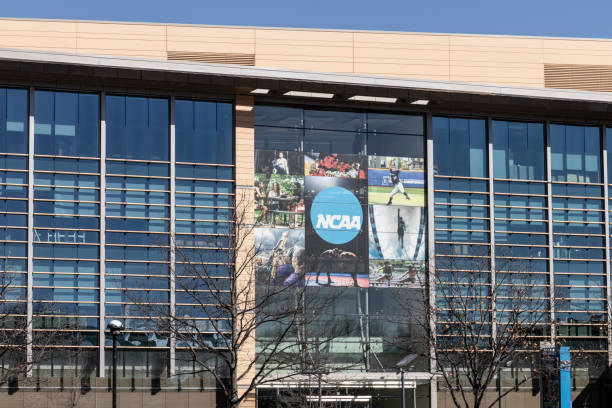
A federal judge has greenlit a landmark $2.8 billion settlement in House v. NCAA, dismantling the century-old model of amateurism in college athletics. Starting this fall, universities can directly pay athletes up to $20.5 million annually, with revenue-sharing backdated to compensate former players barred from earnings.
The ruling, approved by Judge Claudia Wilken, culminates a five-year legal battle sparked by Arizona State swimmer Grant House’s lawsuit. It forces the NCAA and major conferences (ACC, Big Ten, SEC, Big 12) to share billions in TV and licensing revenue—primarily from football and basketball—with athletes. While star players at top schools stand to gain six-figure payouts, critics fear the deal will marginalize non-revenue sports and walk-on athletes.
NCAA President Charlie Baker hailed the change as “long overdue,” but challenges loom. A new third-party clearinghouse will vet “fair market value” for athlete endorsements, a move already facing legal scrutiny. Meanwhile, smaller schools warn the system could deepen inequities, with powerhouse programs outspending rivals in recruiting wars.
The settlement signals a seismic shift: college sports, once idealized as amateur pursuits, are now a multibillion-dollar labor market.


 The News Hour
Leave a comment