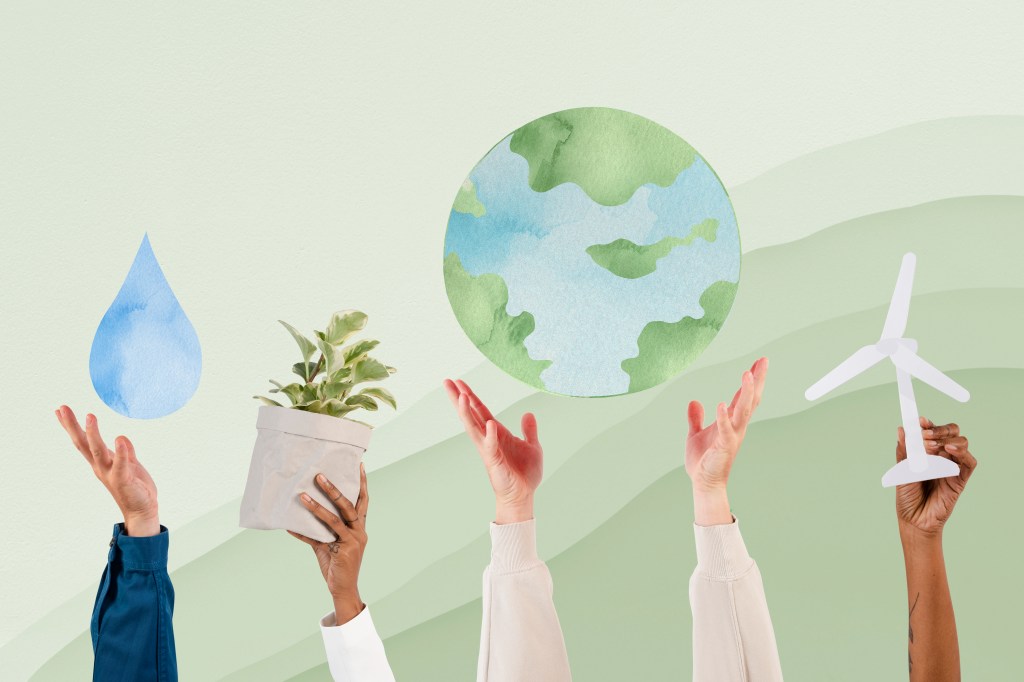
June 5, 2025, marked a major milestone for environmental awareness as nations worldwide united under the banner of “#BeatPlasticPollution.” This year’s World Environment Day, spearheaded by the Republic of Korea, urged governments, corporations, and individuals to adopt inventive solutions for curbing plastic waste. Events unfolded on every continent: from massive beach clean-ups in Southeast Asia to policy announcements in Europe and community initiatives in Africa, underlining the urgency of tackling single-use plastics.
In Seoul, President Yoon Suk-Yeol opened the main ceremony by unveiling a national roadmap to halve plastic waste by 2030. The plan includes phasing out certain categories of single-use plastics, bolstering recycling infrastructure in rural regions, and offering tax incentives to small and medium enterprises that switch to eco-friendly packaging. Yoon also announced a “Plastic Innovation Fund” to support homegrown startups developing biodegradable materials. Officials hope these measures will channel private-sector ingenuity into scalable solutions and set an example for other economies.
Across Southeast Asia, thousands of volunteers converged on beaches in Indonesia, the Philippines, and Vietnam to remove debris—collectively gathering over 1,200 tons of plastic in a single day. Many participants wore bright green T-shirts bearing the #BeatPlasticPollution slogan, amplifying social media reach. Local environmental organizations seized the momentum to highlight the link between plastic accumulation and dwindling fish stocks, pressing regional leaders to adopt stricter bans on plastic carry bags and polystyrene food containers. Marine biologists noted that microplastics found in coastal sands pose a growing threat to marine biodiversity and human health, calling for expanded research into filtration technology for waterways.
In Europe, corporate pledges took center stage. Finland’s largest mobile carrier announced a commitment to eliminate all single-use plastic from its retail outlets by 2027, replacing items like plastic water bottles and packaging with compostable alternatives. In Madrid, a fashion designer showcased a capsule collection labeled “Ocean Revival,” featuring garments crafted entirely from recycled ocean plastics. She collaborated with local artisans to transform beach-found waste into high-end evening wear, demonstrating that style and sustainability need not be mutually exclusive.
Meanwhile, research institutions used the occasion to publish alarming new studies. A group at the University of Cape Town reported that microplastics now contaminate 90 percent of South Africa’s freshwater systems, raising alarms about drinking water quality and ecosystem health. Scientists urged lawmakers to implement nationwide bans on certain plastic polymers and to invest in advanced water-treatment technologies capable of filtering microscopic particles.
Social media played a pivotal role: the #BeatPlasticPollution hashtag trended on platforms such as Instagram and TikTok, driven by viral challenges that encouraged users to forgo plastic straws for a week, shop exclusively with reusable bags, or create art installations from discarded bottles. Influencers, from environmental activists to mainstream celebrities, posted tutorials on making DIY household products that reduce reliance on commercial plastic items. Early analytics estimated that the hashtag generated over 300 million impressions globally within 24 hours.
To sustain momentum beyond a single day of awareness, officials convened a virtual summit shortly after events concluded. Representatives from the United Nations Environment Programme announced the formation of a multi-nation alliance—Uniting Governments Against Plastic—aiming to coordinate legislation, funding, and research efforts. With more than 120 countries pledging to join by 2027, the alliance targets legally binding agreements to limit plastic production and improve waste management. However, experts cautioned that mere pledges are insufficient: lasting progress requires robust enforcement mechanisms, corporate accountability, and widespread changes in consumer behavior.
World Environment Day 2025 demonstrated that the fight against plastic pollution has become truly global, driven by government initiatives, grassroots activism, and corporate commitments. As discussions now shift from awareness to action, the question is whether governments and businesses can follow through on bold promises—transforming the tide of plastic waste into a wave of sustainable innovation.



 The News Hour
Leave a comment